 EN












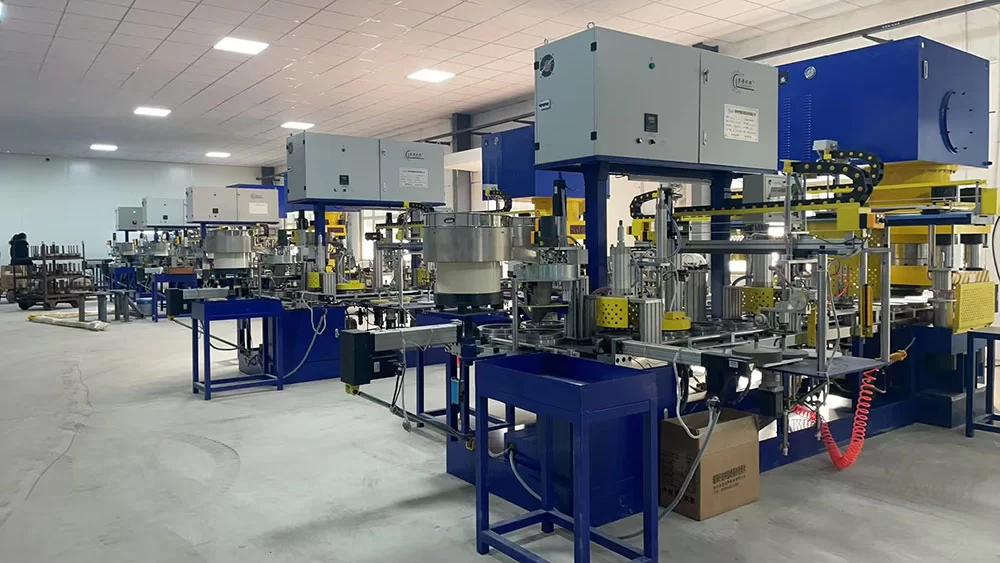
Manufacturing reinforced resin-bonded cutting and grinding discs generally involves raw-material selection, mixing and conditioning, pressing with reinforcement, curing and cooling, finished-product inspection, and packaging and storage. When reviewing a line, check not only the equipment at each stage but also the condition in which materials, blanks and finished products pass to the next operation, and the records that accompany each batch.
This article explains the main operations and information to check at their interfaces. Formulations, operating conditions, equipment limits and inspection requirements must follow the target product and the relevant process and quality documents.
1. Raw-material selection and proportions
Define the intended use, dimensions, shape and reinforcement structure before reviewing the abrasive, resin binder and filler combination. Identical material names do not make different grades or batches interchangeable.
For example, select brown fused alumina and white fused alumina according to the workpiece material, product design and trial results. Record coating, calcination and other treatment conditions separately rather than using only a generic material name on the issue record.
Before charging, check material specifications, batch numbers, formulation revision and weighing records. The quantities and addition sequence for powdered resin, liquid resin and applicable fillers must come from the relevant process documents.
Handover check: The next operation must be able to trace the materials used, formulation revision and actual batch weights. Identify and handle incoming materials requiring review under the quality procedure.

2. Mixing and controlled conditioning
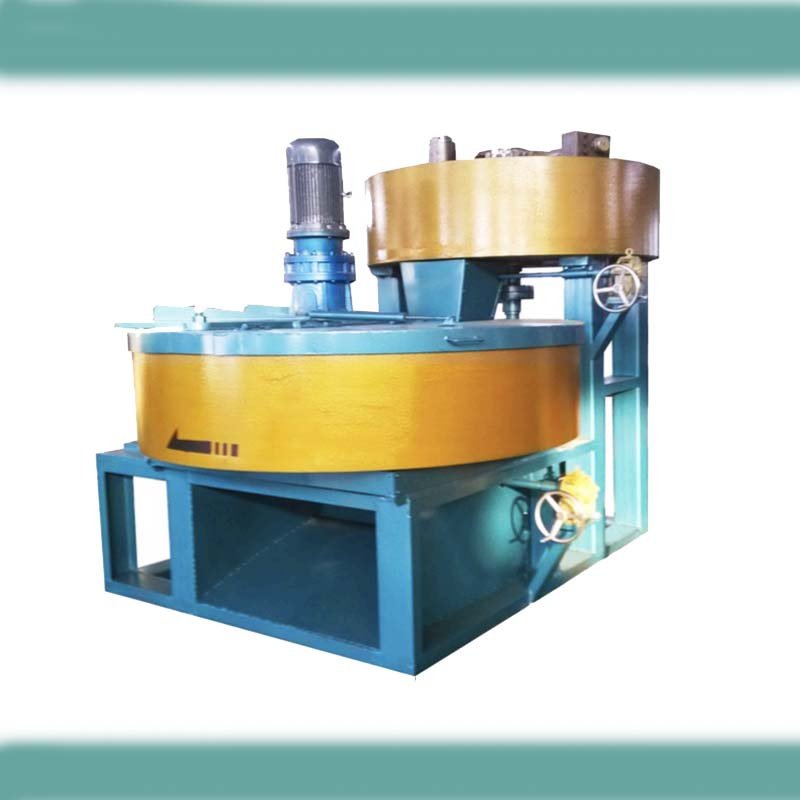
Mixing distributes the binder and other components as required by the process. Assess the actual mixing method, batch-size range, addition sequence and discharge arrangement; the machine name alone does not establish suitability for a formulation.
Confirm whether maturation or other conditioning is necessary, together with its duration, environmental conditions and usable period, against the formulation and validated process. Arrangements can differ between material systems.
Record mixing start and finish times, formulation and material batches, required environmental conditions and material condition at handover. Assess clumping, changes in flowability or other abnormalities under the process procedure; do not arbitrarily add material merely to restore appearance.
Handover check: Material awaiting pressing needs a clear batch identity, status and permitted conditions of use. Reusing or combining remaining material also requires a defined basis. See process and materials application support for material-system and mixing questions.
3. Pressing and mesh reinforcement
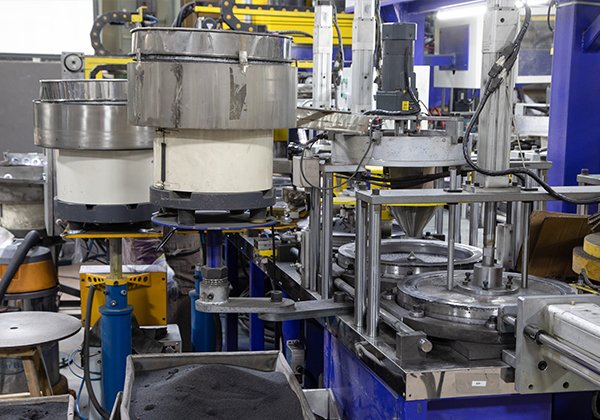
Charge the prepared mixture in the specified sequence, then press and demould it to produce a blank. For reinforced products, also check mesh dimensions, layer count, placement and its relationship to the material layers.
Review tooling, filling, pressing, demoulding and blank receiving together. A diameter within the stated machine range does not establish that every combination of thickness, bore, shape and reinforcement has been validated. Use the grinding wheel making machine selection guide to check each requirement.
Record tooling identification, product and process revisions, relevant settings and inspection results. Hydraulic pressure is not pressing force, and finished dimensions do not replace blank measurement requirements. See the pressed-blank thickness control guide.
Handover check: Link blanks to mixture batches, equipment and tooling records. After tooling changes or adjustments, follow the approved first-off and process inspection plan. Acceptable blank appearance and dimensions do not establish acceptable finished-product performance.
4. Controlled curing and cooling
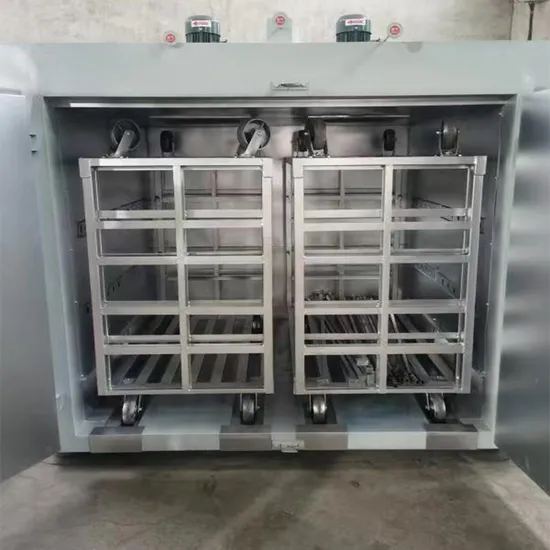
Load blanks into the curing oven as specified and run the approved time–temperature programme so that the resin binder cures and develops the required bond. Select the programme using the resin system, product specification, loading conditions and process-validation results.
Distinguish the set temperature, control-point temperature and temperature experienced by the product. Assess loading information, run records and validation evidence together rather than recording only that the oven reached its setpoint. See the curing oven temperature verification guide.
Arrange cooling, transfer and subsequent inspection according to product and process documents. Evaluate programme deviations, abnormal stops or missing records under the relevant procedure; normal appearance alone is insufficient for release.
Handover check: Record product batch, load or oven run, programme revision, actual operation and abnormalities so that inspection can trace the corresponding curing process.
5. Finished-product inspection and release
After curing and cooling, inspect against the applicable specification and inspection plan. Depending on the product, checks may include appearance, dimensions, flatness, static balance and rotational strength. Confirm applicable items, methods, frequency and acceptance requirements individually.
Visual inspection addresses cracks, chipped edges and deformation. Rotational-strength testing evaluates mechanical integrity under specified test conditions; cutting and grinding trials evaluate performance under the relevant application conditions. These assessments cannot replace one another.
Distinguish individual checks from batch sampling, specifying sample origin, recording methods and handling of nonconforming products. After completing records, confirm release status under the quality procedure. See trial production and validation support when arranging sample evaluations.
Handover check: Keep awaiting-inspection, awaiting-review, nonconforming and released statuses clear. Inspection results must trace to product batches and production records.
6. Sorting, packaging and storage
Sort released products by specification and order requirements. Before packaging, check quantity, appearance, identification and records. Packaging must suit the product and transport/storage conditions; successful sealing alone is not sufficient.
Packaging and warehouse records must link specifications, batches and orders. Where labels include use restrictions, storage conditions or time limits, use applicable requirements and confirmed product information rather than unverified generic values.
Do not mix products awaiting inspection or disposition with released stock and package them directly for dispatch. Storage arrangements must also support transfer, batch separation and status identification.
Handover check: Warehouse and packaging records must retain traceability to batches, release status and order destinations, supporting picking and delivery checks.
What information should you prepare before planning a line?
Provide planned dimensions, shapes, reinforcement structures, uses and product drawings, followed by target output, shifts, existing equipment, material systems and validation questions. Clarify whether output means formed blanks or accepted finished products after curing and inspection.
For new or expanded facilities, describe building conditions and the proposed process route. Compare core equipment and the materials range, then confirm configuration, tooling and trial plans for the actual products.
Submit a production-line enquiry with product and project information that you can share publicly, to support a more detailed review of the manufacturing scope.